Epoxy Grout in Wet Areas: When Is It Suitable?
Understand where epoxy grout may suit showers, bathrooms and high-use tiled areas, plus its limits and installation requirements.
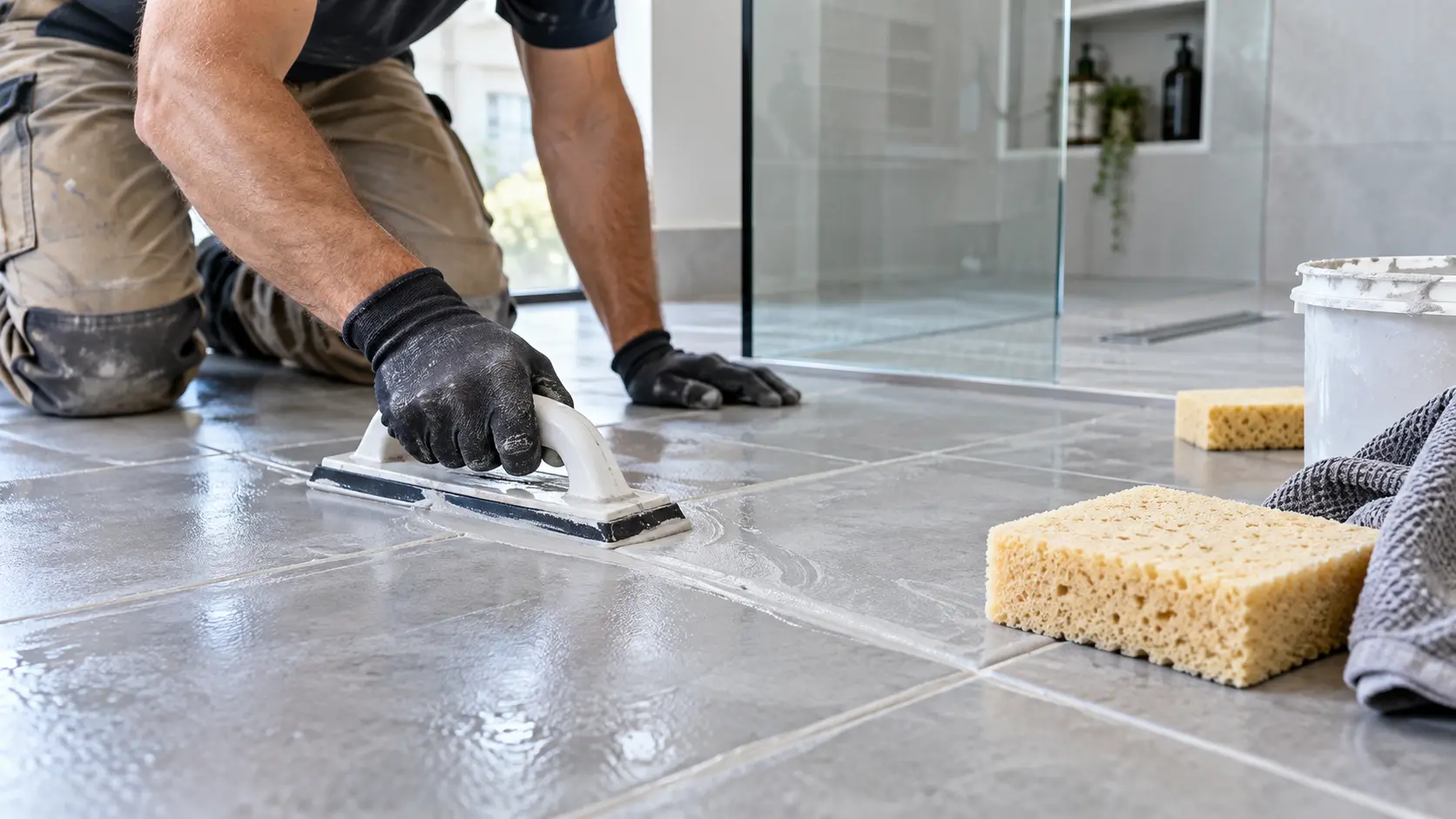
Epoxy grout is a resin-based system with different installation and performance characteristics from cement-based grout. It can be valuable in suitable wet or high-use areas, but it is not automatically the right product for every tiled surface.
How epoxy grout differs
Many epoxy systems form dense, low-absorption joints with strong resistance to staining and wear. The exact performance depends on the selected product, installation and exposure.
Working time and cleaning are less forgiving than with many cement-based products. Residue left on the tile can become difficult to remove after curing.
Where epoxy grout may be suitable
Suitable applications can include selected shower floors and walls, bathroom tiles, commercial amenities and other demanding tiled areas.
Tile material, joint width, existing condition, traffic, cleaning chemicals and return-to-use requirements all influence product choice.
- Selected showers and bathrooms
- High-use commercial tiled areas
- Applications needing dense, easy-maintenance joints
- Projects where the chosen tile and joint are compatible
What epoxy grout does not fix
Epoxy grout does not stabilise loose tiles, repair substrate movement, replace flexible movement joints or correct failed underlying waterproofing.
Using a strong rigid product in a moving joint can transfer stress rather than solve the reason the joint failed.
Existing grout and preparation
Suitable existing grout may need removal to an agreed depth before epoxy regrouting. Joints must be clean, stable and compatible with the selected system.
The tile surface should be assessed for sensitivity, texture and cleaning difficulty before installation begins.
Residential and commercial planning
Residential work must account for access and curing before the wet area returns to use. Commercial projects may also require staging, operating-hour constraints and planned handovers.
CareSeal quotes after reviewing the area, tile and joint dimensions, preparation, access and suitable epoxy system.
Epoxy Grout in Wet Areas: When Is It Suitable? FAQs
Is epoxy grout waterproof?+
Epoxy grout is typically low absorption, but it does not replace the wet area's required waterproofing system.
Is epoxy better than cement grout?+
Not for every application. Suitability depends on the tile, joint, movement, exposure and budget.
Can old grout be replaced with epoxy?+
In suitable areas, yes, after appropriate removal and preparation.
Does epoxy replace silicone in corners?+
No. Movement-sensitive joints may still require a flexible sealant.
Can CareSeal handle commercial epoxy grouting?+
CareSeal can assess suitable commercial projects, including staged work and project-specific access requirements.